
Investing
Peter Lazaroff
Investing
3 min
Should You Invest in Gold?
Gold gets a lot of attention when markets are shaky. Whether it belongs in your portfolio is a different question.
Read article→The Blog
Evidence over opinion. Data over drama. Practical strategies you can use today.
Articles published
Topics covered
Get the latest posts
New articles in your inbox. No spam, unsubscribe anytime.
Investment Philosophy
The Power of Compounding
Compounding is the quiet force behind almost every great long-term result. The trick is giving it enough time to work.
Estate Planning
5 Essential Estate Planning Documents
Estate planning is not just for the wealthy. A few key documents protect you and the people you care about.
Latest articles
Tax season for 2022 has officially started. However, while you’re reviewing and closing out your taxes for last year, it...

If you’re missing the deduction you used to receive for charitable giving, a donor-advised fund could be the answer...
Understanding how bonds work is important because it can help you feel more confident in this part of your portfolio and...

Good investing isn’t complicated. There are common mistakes to avoid and good habits smart investors should build. Here ...

I’ve spent my entire career advising a wide range of successful people. Most of them are extremely intelligent but they aren’t always rational. And that can have a negative impact on their financial decisions.

Professional experts know there’s no demand for accountability. They prey on the fact that people just want a story that helps make sense of the world around them. Here’s why “expert predictions” are bullsh*t.
The challenge with good diversification is it doesn’t feel good when it’s working. Keep these two things in mind if there is a part of your portfolio you hate.
Even though drawdowns are completely normal, you might be feeling a bit uneasy. Some people should be more concerned than others, especially if any of the following four are true.
Forecasting market related events with consistent accuracy is nearly impossible, but that doesn’t make it any less entertaining. Try your chance at predicting the market for a chance to win a $500 Amazon gift card and bragging rights.

Most newsletters in my inbox are deleted, but these are the exceptions I rarely ever miss.

To earn higher returns, experience less volatility, and minimize losses, you must learn to rebalance your portfolio the right way.

Lifestyle creep happens when your spending rises with your income and you adjust to a more expensive way of living. Once you get used to one or any of these upgrades, eliminating them is very hard to do.
After years of deliberation, I finally launched a podcast. I’m excited to introduce The Long Term Investor, a financial podcast designed to distill complex topics into easily digestible lessons and make you a better investor.

Developing and executing an estate plan is rarely at the top of anyone’s to-do list, but it’s one of the most important pieces of anyone’s financial plan. Here’s how to tackle this topic and what you need to do to get your own plan in order.

One of the trickier decisions of saving for retirement is determining which accounts to prioritize with your savings. Follow these guidelines to get the most out of your retirement savings.

Like homes, mortgages come in many sizes and types. Your home is the largest purchase you’ll make so it’s crucial you understand your options and choose the right type of mortgage.

If interest rates are low, you have to be strategic to earn more on your cash. But before you open your wallet, understand the risks and rewards.

An unexpected windfall of cash creates unique opportunities and complexities to your finances. Learn five ways to thoughtfully manage sudden wealth so you keep the cash you have inherited.

Nearly everyone needs life insurance, but permanent life insurance is rarely the right answer. Here’s what you need to know and how to find the right coverage for yourself (without overpaying).

Math usually indicates the idea of a starter home as an “investment” is more myth than reality. If you are looking to buy your first house, here are four things you should know first.

If you need to buy and sell a house at the same time, the transition is complex. Learn how to streamline the process, what to look for, and what to avoid.
Creating a budget and sticking to it is difficult for most people because the process is time consuming and restrictive. Traditional budgeting forces you to make every decision as if you live in a spreadsheet. But guess what? You don’t live in a spreadsheet.
For true peace of mind and a path to financial freedom, you need a complete financial plan. Even if you already have one, make sure all of these essential eight elements are included.
Cryptocurrencies have delivered eye-popping returns the last year. But if you want to invest in Bitcoin, you need to look at the future, not the past. Here are 7 things to know before you invest in Bitcoin.

Inflation and massive economic stimulus have investors asking, “Should I invest in gold?” Get an advisors perspective before you consider the yellow metal.
There is a good chance we will see higher inflation in the coming months. Here’s what you should know about inflation and the effects it will have on your portfolio.
Every financial situation is unique but there are specific scenarios that call for deeper financial expertise from an advisor.
While much of America sorts through and compiles what they need for a successful return this tax season, only a few taxpayers will think the process feels simple and relatively easy. How can you join their ranks? There’s one practice guaranteed to make the tax filing process a lot less stressful each spring: organization. Keeping […]
There are misconceptions about the use of individual bonds versus bond funds in your investment portfolio. Learn important differences between the two and the distinct disadvantages.

Mortgage rates are near historic lows, but there are many factors to determine if refinancing is actually a smart choice. Understand the numbers to crunch to determine if a refi may make sense and learn the hidden costs most homeowners don’t consider.

By the time you’re in your 40s, you have probably established some financial goals, invested in your workplace retirement accounts, and set aside money for a rainy day. As you move into your peak earning years, here are four strategies to put in place in your 40’s to plan for your future.

The right investment strategy to reach your goals shifts as you age. Your 30s are the time to begin building lasting wealth to meet life’s growing demands. Here are six ways to focus your investing strategy as you navigate your 30s.

The financial decisions you make in your 20s are arguably more important than any other time in your life. With that in mind, here are the five most important things you should do in your 20s to set yourself up for financial success.

U.S. employers offer benefits to attract and retain talent, with healthcare coverage, equity compensation, and retirement plans considered standard offerings at most companies. While this may seem like a win-win for everyone, not all of these wellness programs are created equal.
Major choices in life — choosing a life partner, deciding to have children, changing jobs — are all high-stakes decisions. They force you to set aside all possible futures except the one you ultimately choose. But what about how you invest? How do you minimize regret when it comes to financial choices?

It might be tempting to lend money to family members, but there are several important factors to keep in mind when considering an intrafamily loan. Here are three pointers to help you avoid any unnecessary drama.

When self-employed you have the freedom to choose when and how you work. But you also have to take initiative to prepare for your own retirement. Learn six sustainable ways you can save for your future, some of which may help you reduce your taxes.
There are mental shortcuts we unconsciously in our finances that can impact our investment decisions. Learn what “hindsight bias” is and four ways to prevent it from hindering your decision-making ability.

There’s a surprising way to become a better investor: reading books. You need to get an understanding of markets so you can accurately interpret what you hear in current news and economic trends. Here are 22 books to start with broken down by beginner and advanced reading.

Many people set a goal to read one book per month, or a certain amount of titles in a year. However, there’s a different approach that can help you read more and it works even if you don’t consider yourself a “reader.”
How does the Chief Investment Officer of Plancorp, who oversees roughly $4.5 billion of client assets, invest their own? See a full breakdown of how I manage my assets, cash, liabilities, and more.
With election season heating up, debates on what a Trump or Biden victory could mean for the stock market are intensifying, too. Here are my thoughts on if a the election will affect stock market returns.

As interest grows in environmental, social and governance (or ESG) investing, you may wonder why your 401(k) plan does not offer ESG funds. Here’s why I don’t think your 401(k) is the best place for ESG funds.

How can two people with the same income, financial experiences, or education have very different levels of financial wellbeing? It’s simple: a sense of wellness doesn’t come from numbers alone. Learn four steps to improve your financial wellbeing.

As the stock-market volatility continues, uncertainty over the future may leave you wondering the best way to draw down assets going forward. While your personal situation can dictate the optimal retirement withdrawal strategy, there is a general order to consider when drawing down assets.
A growing number of investors are interested in Environmental, Social and Governance investing, known as ESG. That term is becoming more common, but ESG still means different things to different people. Here’s a closer look at six different methods for incorporating ESG criteria into your investment strategy.

You may wonder how the fallout and long-term ramifications of the COVID-19 could change your retirement plans and timeline. The good news is with some strategic adjustments and the right action steps, you should be able to stick to your original plan.

Environmental, Social, and Governance (ESG) no longer refers only to values-based investing. There are a lot more products and strategies available for investors interested in aligning their investment portfolios to their personal values.

Once you finish all your schooling and start to earn a full-time income, should you pay off student loans as fast as possible or contribute available cash flow to investments for long-term growth? The right answer for you depends on a variety of factors.

You may look at stocks with steep declines and think to yourself, “There’s no way those companies are going out of business. This dip is temporary and it’s inevitable that they’ll bounce back.” But any time you start making investment predictions like these, you’re in dangerous waters.

We are facing risks unlike any we’ve dealt with in our lifetimes. Being told you’re in danger triggers all your evolutionary defense mechanisms intended to keep you safe. Unfortunately, none of these instinctive reactions are useful in the arena of long-term investing. Not only do we face a real, physical threat to our collective health […]
We all pay taxes. But you shouldn’t pay more than necessary. Find out why I often suggest a partial Roth conversion.
It’s been a wild few weeks in the market as investors try to gauge how the coronavirus will impact global growth and corporate profits. Here’s what I recommend you should do in response to market volatility.

Planning for retirement isn’t the most straightforward process, but these ten steps are a great place to start.
Lowering or eliminating the drag of taxes on your investment returns means you can compound your retirement and education savings goals at a higher rate. Learn differences between a variety of retirement accounts you can use to have your earnings, income, and capital gains to compound tax-free over time.
It’s one thing to agree to a long-term investment plan at the onset of a relationship with a financial advisor, but the actual experience of riding out different market movements is harder in practice than in theory.

A partial Roth conversion is one of my favorite tools to help clients manage their retirement income taxes, so I get frustrated when I see that tool used in the wrong way. Learn five of the biggest mistakes that can often derail a Roth conversion strategy.

After age 70 ½, required minimum distributions (RMD’s) must be withdrawn from your traditional IRAs and 401(k)s each year—whether you need it or not. Learn 7 tips on what to do if you don’t want or need to take your RMDs.
Commission-free trading creates splashy headlines but raises concerns that those revenues might be replaced with less transparent costs.

An HSA can offer a powerful chance to boost your long-term savings and provide a nest egg for medical expenses later in life
I recommend these finance books that made a big impact on me and influenced the final product in my first book Making Money Simple.

Time mixed with the power of compounding is the most potent combination for wealth creation. Compound interest allows you to grow wealth faster by earning a return on your past returns. This isn’t a linear relationship – it’s exponential. The human brain isn’t good at visualizing exponential things, which may explain why it’s so difficult […]
Here are some questions that can make sure your financial advisor is not only someone you can fully trust but also someone who’s doing the most for you.

There are many smart decisions you can make when it comes to saving for retirement. However, this one strategy will give you massive momentum.
Despite the dangers of a concentrated stock position, many people have too much of their savings riding on their employer’s shares. Here’s why you might have a blind spot about this risk.

Many people have asked about how and why I wrote Making Money Simple. Considering there seems to be a lot of interest about the process that went into creating this, I wanted to share this detailed look at its making.

Nearly everyone needs life insurance, but it’s easy to end up with a bad policy. I’m specifically talking about permanent life insurance which provides protection for your entire life as long as you continue paying the premium and the insurer remains solvent. Permanent life insurance comes in three broad flavors: whole life, universal life and variable life. Most people who end up with a permanent life-insurance policy probably are spending more money than they should for more insurance than they need.
Choosing a financial advisor can be a confusing process, particularly given the different standards of care that financial professionals provide. Making matters worse is the wide range of job titles and designations people use to convey their expertise. Here are the three most meaningful designations for financial advisors.

For whatever reason, midterm elections have tended to be a good time to buy equities. There are a some theories that explain strong market performance following midterm elections, but they are rely heavily on narratives and ignore the complexity of financial markets.
The word fiduciary is all over the financial community. In fact, some businesses throw the word around so much it almost starts to lose its meaning – which is a shame, because the fiduciary standard should be a big deal to you as an investor.

People tend to respect the power of supply and demand in markets in their everyday life, but that respect seems to break down when it comes to financial markets. Learn how the stock market is much like any other market of buyers and sellers.
Investment Philosophy
What Happens When You Ask for Financial Advice in Public
There aren’t too many household names in the world of investing – but Warren Buffett is one of them. His annual shareholder letters are famous beyond financial professionals for his clever quips and keen insights that find their way into mainstream media and to the casual market observer. As someone who regularly publishes investment and financial planning guidance, I know one-size-fits-all solutions are few and far between. That makes giving personalized advice difficult in most public situations.

Interest rates have been on the rise since 2013, but the latest move by the 10-year U.S. Treasury above 3% has brought the trend to the attention of individual investors. If you’ve been feeling curious or questioning your own bold holdings lately, let’s take a look at some bond fundamentals. Covering the basics can help you better understand these assets, feel more confident in your investments, and answer the questions you might have around things like rising interest rates.
There aren’t many easy fixes when it comes to increasing your financial literacy. You have to do the hard work of educating yourself. The good news is that you have many options for doing so.
Investing
Financial Blogger Wisdom: Spring 2018
Last week, Tadas Viskanta of Abnormal Returns rounded up some of the best finance writers around to answer a series of questions. Here are my responses along with links back to the full set of responses.

When you’re in the early or middle stages of your career, there are few assets more valuable than your ability to earn an income. Here’s why you should protect it with disability insurance.
Family Finances
How and Why I Gave My Four-Year-Old an Allowance
Paying an allowance is the first step towards instilling good money habits and introduces new opportunities to have meaningful money-related conversations.
Insurance & Risk
Is This Normal?
Volatility was higher than a typical week in the market, but it wasn’t all that unusual from a historical standpoint.
A safety net analysis allows you to understand how long you can withstand a downturn and what changes might be appropriate during this stage of a bull market.
Personal Finance
My Top Articles for The Wall Street Journal in 2017
It was an honor to begin contributing to The Wall Street Journal last year. Even better, a few of my articles made their Top 5 Investing Posts of 2017.

Finances have a way of getting increasingly complicated in all stages of life. Putting your savings, bills, and investments on autopilot can greatly simplify things.

Why Doesn’t Stuff Make Us Happy? Does money buy happiness? Here’s the research on what might buy us the most happiness.

Want to make sure you do not full short of the money you need to hit your long term financial goals? Read this important post on asset allocation.
Books
How to Read More Books Next Year (and My Favorites from 2017)
Learn how to read more books next year, plus a list of my favorites from 2017 and a list of some titles I plan to read in 2018.
The end of the year is traditionally a good time to tackle tax planning, but this year’s tax reform has narrowed the window of opportunity a bit. Here are five strategies you can take in 2017 to lower your tax liability.
The frenzy around cryptocurrencies only goes up by the day. All the excitement drives everyone from experienced professionals to average investors to wonder: should you invest in Bitcoin?
Choosing an Advisor
What I’ve Been Working On
Earlier this month, BrightPlan released its digital financial planning and investment platform to the public.
Taxes
What You Need to Know About U.S. Tax Reform
Here’s are the key differences in the House and Senate versions of tax reform as well as some early financial planning considerations.
Saving & Spending
Guest Post: Mike Dariano on How to Spend Less
Saving is a great idea, in fact, it may be the best one. Mike Dariano of The Waiter’s Pad explains how to spend less.
Investment Philosophy
Highlights From The Evidence Based Investing Conference
Last week I attended the Evidence Based Investing Conference and it did not disappoint. Here are some highlights and takeaways from each of the presentations.
Alternatives & Crypto
Why Alternatives are Bad for Your Portfolio
It’s never been easier for investors to add exposure to alternative investments into their portfolios, but that doesn’t mean you should.
Financial Planning
Financial Blogger Wisdom: Fall 2017
Last week, Tadas Viskanta of Abnormal Returns rounded up some of the best finance writers around to answer a series of questions. Here were my responses.
Investment Philosophy
Active vs. Passive: The Wrong Debate
With the distinction between active versus passive becoming less informative, investors must seek out information on more relevant characteristics when evaluating investments.
The idea of cutting expenses is often talked about like a tragic event, but that isn’t a productive way to frame the act of saving money. Saving isn’t about making sacrifices. It’s about keeping your priorities and getting more of what you really want. There are many ways to increase your savings that involve delaying gratification or examining the importance of your everyday expenditures. Here are a few to get you started.

Your emergency fund can help you cover the cost of life’s unpleasant surprises. But do you know how big your emergency fund should be and where to keep it?

People place too much importance on explaining individual pieces of the market and not enough on how others think those pieces will interact with each other.

When you view financial markets as a complex adaptive system, it is easier to eliminate the futile cause and effect thinking that plagues so many investors.
Investment Philosophy
Introducing a New Series to Explore Complex Adaptive Systems
I’ve made many references to financial markets being a complex adaptive system. Over the next several weeks, I’ll go into greater detail on the topic.

Should you manage your money yourself or hire a professional to help you?

It’s tempting to think about the possibility of buying and selling at just the right moment, but time is more important to investment success than timing.
Family Finances
What to Expect (With Your Finances) When You’re Expecting
Here’s how you can take action now to prepare your financial life for a new baby.
Personal Finance
The Hidden Costs of Changing Advisors
People change advisors all the time, but they don’t always consider the various costs they incur in the process.
401(k)
When It Doesn’t Make Sense to Roll Over a 401(k)
Rolling over a 401(k) doesn’t alway make sense. If you check any of these boxes, then you should consider other options.
Housing
4 Bad Reasons to Buy a Home
If you’re buying a home for any of the following reasons, it might be time to pause and reconsider.
Behavioral Finance
How to Use Your Imagination to Make Better Financial Decisions
Our brains think of saving like a choice between spending money on ourselves today versus giving it to a complete stranger. The result is a propensity to spend today rather than save for the future. To combat this tendency, you can leverage your imagination to make better financial decisions.

Your opinions on the market don’t mean much considering the wealth of information you’re up against.
Personal Finance
Financial Blogger Wisdom
Last week was the annual Blogger Wisdom series on Abnormal Returns. Here were my responses to the different questions asked throughout the week.
Retirement
The Biggest Retirement Planning Mistakes
People make a lot of mistakes planning for retirement. Thankfully, the biggest retirement planning mistakes can be corrected by using a good financial planner.
Investing
U.S. Stock Valuations and Return Expectations
Valuation is a terrible short-term indicator, but it can be useful in setting expectations for future returns.

We never know when or why the next correction or bear market will happen. What we do know is that market downturns happen on a regular basis. Rather than trying to predict the timing or cause of the next downturn, you’re better off planning on historical levels of volatility persisting over time.
Financial Planning
Building Meaningful Benchmarks
Most people don’t know how to properly evaluate their financial advisor and overly rely on performance as the sole measurement of success. A better approach is constructing a portfolio-based benchmark and goals-based benchmark to measure their progress.

The Digital Age has made access to stock market data and real-time portfolio values increasingly easy, but it causes investors to lose sight of the big picture. Myopic loss aversion is the idea that the more we evaluate our portfolios, the higher our chance of seeing a loss and, thus, the more susceptible we are to loss aversion.
People say that cash is king, but they don’t give their cash the royal treatment it deserves. The biggest mistake people make is having too big a cash balance in their primary banking account. Since cash loses its purchasing power over time, efficient use of cash is a crucial piece of your financial plan. Here are three ways to manage it the right way.

Windfalls like a tax refund provide some of the best opportunities to make permanent improvements to your finances. Here are 3 ways to put your refund to the best use.
401(k)
Do You Have a Bad 401(k) Plan? Here’s How to Tell
While classifying a retirement plan as “good” or “bad” is partly a matter of opinion, there are several items that you can objectively evaluate to determine if you have a bad 401(k) plan.
Personal Finance
My First Money Lesson
In school, you are given a lesson then a test. In life, you are given a test and then you learn a lesson – money lessons can be expensive.
People are more aware of fees than ever, but they still don’t give fees as much weight in their decisions as they do past performance, which is ironic because investment fees are a strong predictor of future returns.
Filling out a bracket for the NCAA basketball tournament reminds me so much of investing because it balances expertise, future expectations, risk, and reward. Winning also requires a healthy dose of luck along the way. There are six lessons from March Madness that we can apply to the world of investing.
Investment Philosophy
To Add or Not To Add?
Each additional factor you add to a portfolio comes with a diminishing marginal benefit, which lowers the probability that the benefits will outweigh the costs. As a result, you must carefully weigh the expected net benefits versus the degree of uncertainty.
Behavioral Finance
Confirmation Bias
There isn’t anything wrong with reviewing evidence that supports your investment philosophy, but a significant portion of your efforts should be dedicated to looking for evidence that conflicts with your way of thinking.
Insurance & Risk
Assessing Risk Tolerance
Building the perfect portfolio doesn’t matter one bit if it doesn’t align with your willingness and ability to take risk. Evaluating your own risk tolerance is difficult for individuals because of the emotions that are intertwined with investing.

Investing is a zero sum game in which individual investors frequently end up on the losing side, but that doesn’t have to be the case.
Personal Finance
Favorite Articles With Low Readership
One of the things you come to learn about writing is that some of your favorite work doesn’t generate the buzz you expect. Almost every writer has experienced this a few times, so I turned to the blogging community to get their thoughts.
Investing
2017 Annual Investment Review
Every year I address some of the most common client questions in a publication titled Annual Investment Review. Check out the 2017 issue here.
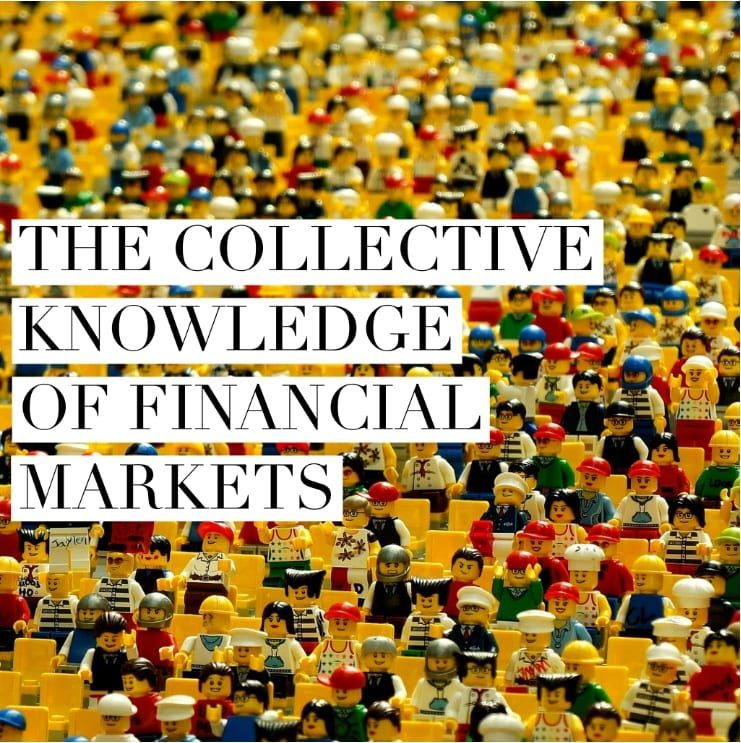
Rather than compete against the vast knowledge of the world’s market participants, the vast majority of investors should harness the knowledge of markets and focus on things that can be controlled such as risk exposure, costs, taxes and investment behavior.
Personal Finance
What’s The Biggest Mistake Investors Make?
What the biggest mistake investors make? Your favorite financial bloggers share their thoughts.
Should you pay down debt or invest Here are the 7 most important questions to ask to help you decide.
Personal Finance
What Isn’t Getting Enough Attention?
What issue in the world of finance isn’t getting enough attention? The biggest financial bloggers weigh in.
Bonds & Fixed Income
4 Reasons to Buy Bonds in 2017
Bond returns may be low or even negative in the future, but they will remain an important part of your portfolio for these four reasons.
Personal Finance
Financial Insights in 140 Characters
Being able to communicate ideas succinctly is a great skill, because clarity of writing usually follows clarity of thought. I’m always amazed at how well some people express themselves on Twitter when they are limited to 140 characters. This was my inspiration for a question I posed to several of my favorite bloggers: What’s the most important financial insight you can convey in 140 characters or less?
Investing
10 Books To Make You A Better Investor in 2017
Whether you are looking to spend a holiday gift card or your New Year’s Resolution is to read more, these books provide an extremely high return on investment.
Investment Philosophy
My Core Investment Values
Every investor ought to have a set of core investment values to guide their thinking.
Fees
When Fees Destroy Diversification
Diversification is said to be the only free lunch in investing, but that’s not entirely true because the extra fees associated with more exotic asset classes frequently offset the benefits of otherwise attractive diversifiers.
No articles match your search.
Additional Resources
Goal Planning Worksheet
Turn vague money goals into a clear, prioritized plan you'll actually follow.
Net Worth Worksheet
See exactly where you stand — on a single page.
Cash Flow Worksheet
Understand where your money actually goes — without a restrictive budget.
Financial Assessment
See where your finances stand, free, no obligation.
Stay Informed
Join thousands of readers who get practical investing insights delivered every week.
No spam. Unsubscribe anytime.